Description
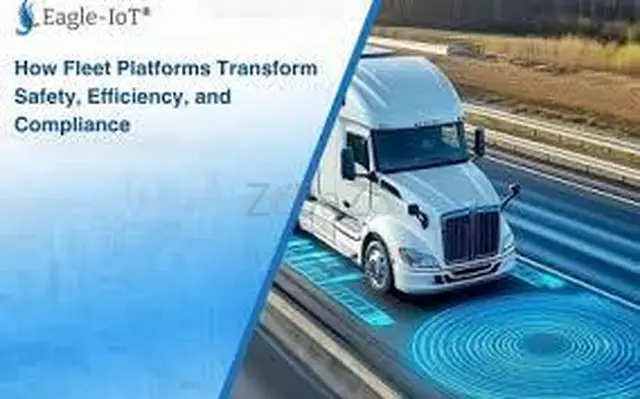
How Fleet Platforms Transform Safety, Efficiency, and Compliance
Fleet operations today stand at the center of a profound technological shift. Rising safety expectations, environmental accountability, and the operational pressures of multi-site organizations have reshaped the priorities of modern fleet leaders. What once relied on isolated systems—basic telematics, manual inspections, fragmented training modules—has evolved into a connected digital ecosystem where data serves as the organizing force behind every strategic decision.
Across industries, executives increasingly recognize that achieving operational excellence requires far more than tracking devices or dashboard cameras. It demands a unified platform, capable of consolidating safety, compliance, routing, inspections, and analytics into one consistently intelligent environment. This movement marks a transition from fleet management to fleet orchestration, where every operational element functions cohesively and in real time.
The Imperative for an Integrated Fleet Operations Ecosystem
Legacy fleets, especially those with geographically dispersed sites or long operational histories, often struggle under the burden of inherited systems. Telematics from one vendor, paper-based inspections, disconnected HR systems, manual training workflows, and outdated routing tools create an ecosystem that is difficult to manage and impossible to optimize holistically.
Fleet leaders now seek a single, consolidated operational view. The objective is clear: eliminate fragmentation, remove operational blind spots, and bring every layer of fleet activity—driver behavior, asset health, compliance, and environmental performance—into one unified platform.
The benefits of centralization are profound. When decision-makers access complete visibility, they gain the capacity to accelerate interventions, establish consistent policies, and enhance accountability at scale.
AI-Powered Safety Enhancements: A New Dimension of Risk Reduction
Safety remains the single most critical responsibility within fleet operations. AI-driven technologies have expanded the boundaries of what fleet managers can monitor and prevent.
360° Multi-Camera Intelligence
Modern multicam systems now combine AI object detection with wide-angle visibility. Blind spots are reduced, and both audio and visual data can be retrieved instantly when incidents occur. This elevates not only post-incident clarity but also proactive risk mitigation while driving.
Real-Time Hazard and Weather Alerts
Dynamic alerts empower drivers with immediate warnings related to hazardous conditions, weather disruptions, low visibility zones, or unexpected road risks. This capability reduces exposure to sudden threats and reinforces defensive driving habits.
Behavior Detection and Fatigue Insights
Advanced AI no longer waits for severe triggers such as harsh braking or collisions. It identifies early behavioral indicators—yawning, distraction, seatbelt violations, and inattention. These insights allow managers to pinpoint root causes: insufficient rest, increased workloads, or personal strains.The impact is significant: fleets evolved from a reactive safety model to a proactive, preventative one.
Safety Beyond the Vehicle – Wearable Protection
Wearable technology now extends fleet safety outside the cab. With fall detection, emergency alerts, precise location tracking, and long battery life, wearables protect field operatives working in depots, warehouses, or remote sites. They bridge the long-standing safety gap between driving tasks and on-site activities. Read more https://avl-ksa.com/en/how-fleet-platforms-transform-safety-efficiency-and-compliance/